Window displays are more than just decorative elements. They are powerful tools in retail marketing. These displays serve as the first point of contact between a store and potential customers.
An effective window display can significantly boost foot traffic and sales. It acts as a silent salesperson, drawing people in with its visual appeal. The right display can communicate a brand’s identity and values.
Visual merchandising is a crucial part of any marketing strategy. It involves using color, lighting, and layout to influence consumer behavior. A well-designed window display can tell a story, engage emotions, and encourage store entry.
Window displays also highlight new products and promotions. They can create a sense of urgency with seasonal themes. By understanding the psychology behind these displays, businesses can enhance their branding and attract more customers.
The Power of First Impressions: Why Window Displays Matter
Window displays hold incredible potential for creating powerful first impressions. They provide a glimpse of what the store offers, creating curiosity and interest. A well-designed display can make a passerby pause and consider entering the store.
First impressions are formed in seconds, making the window display’s impact crucial. It should captivate attention instantly and convey a clear brand message. A striking display can turn a casual stroller into a loyal customer.
Several factors contribute to the effectiveness of window displays:
- Visual storytelling to engage emotions
- Use of colors to evoke mood
- Strategic product placement to draw attention
By focusing on these elements, retailers can effectively use window displays to differentiate themselves. This sets the stage for an enticing shopping experience, driving both foot traffic and sales.
Psychological Principles in Visual Merchandising
Visual merchandising taps into consumer psychology to influence purchasing decisions. Understanding these principles is crucial for creating effective window displays. The psychology of perception plays a significant role in how displays are interpreted.
Our brains respond to color stimuli in interesting ways. Bright colors often attract attention, while pastel tones can create a calming effect. Proper use of color can evoke specific emotions and draw customers in.
Lighting is another fundamental principle. Well-lit displays can highlight key features and create a welcoming ambiance. Shoppers are more likely to enter a store that feels inviting and approachable.
Storytelling engages the customer on an emotional level. A display that tells a story can resonate more with viewers, making them curious to explore further.
Incorporating these principles can enhance the visual appeal and effectiveness of window displays:
- Effective use of color and lighting
- Emotional storytelling
- Strategic placement for highlighting products
By leveraging these psychological principles, retailers can create an engaging, memorable window display that captures the essence of their brand.
Window Displays as a Marketing Strategy for Branding
Window displays are powerful tools for branding. They serve as the first point of contact between a store and its potential customers. By showcasing a store’s identity and values, they communicate the brand’s essence even before customers step inside.
Incorporating brand colors and themes can create consistency across all marketing materials. This cohesive look enhances brand recognition and loyalty. Consistency in branding reassures customers about the store’s reliability and values.
Creative window displays differentiate a store from its competitors. A unique design can highlight what makes a brand stand out, whether it’s innovation or craftsmanship. Differentiation is vital for building a strong brand presence.
To effectively use window displays as a branding tool, consider:
- Consistent brand colors and themes
- Unique, creative designs
- Strategic product placement
In essence, well-crafted window displays act not only as marketing tools but as expressions of brand identity.
Attracting Customers: How Window Displays Influence Behavior
Window displays have a profound impact on customer behavior. By capturing attention, they draw people in and stimulate interest. Attractive displays can significantly boost foot traffic into a store.
The psychology of perception plays a crucial role here. Colors, lighting, and layout can evoke emotions and set moods. For example, warm colors can create a sense of excitement, while cool tones can be calming.
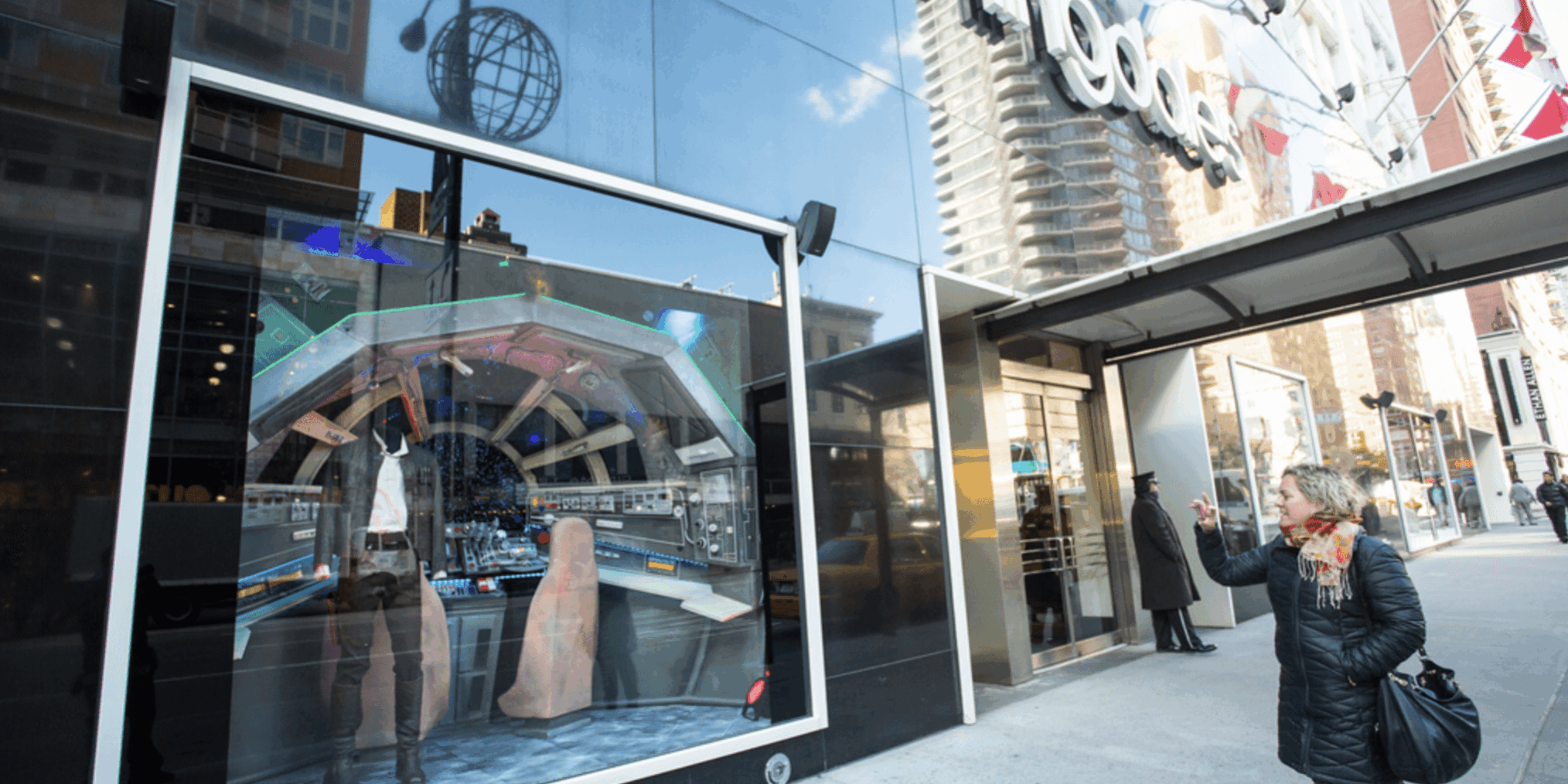
Interactive elements in displays can enhance engagement. Passersby are more likely to stop and explore if they can interact with the display. This interaction can lead to an increase in customer curiosity and store visits.
Window displays can also tell stories that resonate emotionally with viewers. Effective storytelling can create a connection with customers, making them more inclined to enter the store. Emotionally engaging stories often result in higher sales.
Strategies to attract customers include:
- Eye-catching colors and lighting
- Interactive elements
- Engaging storytelling
Overall, window displays leverage psychological principles to attract customers and influence their shopping behavior.
Key Elements of Effective Window Displays
Crafting an effective window display involves several essential elements. The design should align with the store’s brand identity to maintain consistency. Consistent branding helps build brand recognition and trust with potential customers.
Simplicity often captures more attention than cluttered designs. A minimalistic approach can highlight key products without overwhelming the viewer. Each element in the display should serve a purpose.
Use balance and symmetry to create an aesthetically pleasing arrangement. This organization can guide the customer’s eye naturally across the display. Arrangements that incorporate symmetry tend to be more visually appealing.
An effective window display often includes:
- Clear brand alignment
- Simple, focused design
- Balanced and symmetrical layout
Incorporating these key elements can make window displays powerful marketing tools. They not only attract but also convey brand messages effectively, strengthening the overall shopping experience.
Maximizing Product Promotion Through Window Displays
Window displays provide a prime opportunity to showcase products dynamically. Highlighting new or featured items in the window can spark interest and drive customers inside. Effective product promotion captivates attention and encourages exploration.
The strategic placement of products is essential for visibility. For instance, placing bestselling items at eye level ensures they are easily noticed. Thoughtful arrangement can lead to higher sales and a better customer experience.
Consider incorporating eye-catching elements to emphasize key products. Simple techniques include:
- Using bold colors to draw attention
- Adding motion for dynamic displays
- Including themed props to enhance storytelling
These techniques can enhance product appeal, making window displays a critical tool in any visual merchandising strategy.
Keeping Displays Fresh: Trends, Technology, and Seasonal Updates
To remain effective, window displays must evolve with current trends. Seasonal themes add freshness and urgency, prompting customers to engage quickly. Changing window designs regularly keeps your store appealing and relevant.
Technology can breathe new life into displays. Digital screens and interactive elements can attract tech-savvy customers, offering a modern flair that static displays may lack. This integration enhances the customer’s experience and engagement.
Attuning displays to cultural events or local happenings can resonate with passersby. Connecting with community interests builds rapport and increases foot traffic. By staying aware of these factors, your displays remain vibrant and inviting.
Effective window displays are more than just visual appeal. They are vital tools for branding and customer attraction. By leveraging psychology, design, and strategy, window displays can significantly enhance customer engagement and brand loyalty.
Through thoughtful planning and creativity, you can transform your window displays into powerful marketing assets. These displays create memorable experiences and strengthen your store’s identity.